
Knowing your rights and feeling empowered to use them is one of the most important tools you have when navigating surgical menopause in the New Zealand healthcare system.
| On this page: Why self-advocacy matters Gender gap in medical research The New Zealand context Unique challenges Practical strategies If your care has been inadequate References |

Why self-advocacy matters
Many women with surgical menopause find themselves having to actively seek out information, push for appropriate treatment, and educate their own healthcare providers. This is not how it should be — but it is the reality for many. Our own survey found that 42% of respondents received no information about surgical menopause before or after their surgery, and 56% were dissatisfied with their ongoing care. In Dr. Linda Dear’s nationwide survey, only 3% of surgical menopause respondents felt well prepared prior to their surgery. Being informed and persistent can make a real difference to your outcomes.
Gender gap in medical research
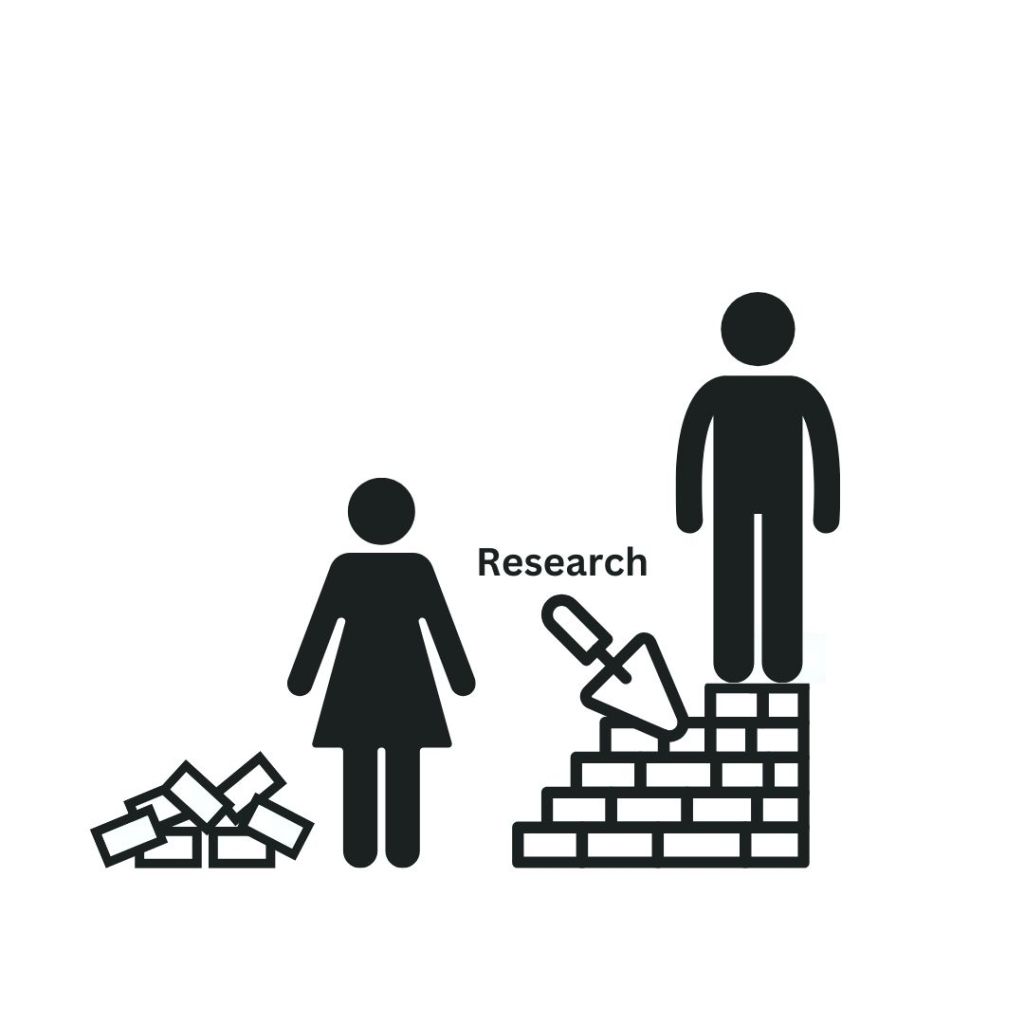
To understand why self-advocacy is so crucial, we must first recognise the longstanding gender bias in medical research. Until 1993, women were not routinely included in clinical studies in the United States, leading to medical knowledge and treatments being based predominantly on research conducted on men. This historic exclusion has resulted in several issues:
- Underdiagnosis and Undertreatment: Women’s health issues have often been overlooked or inadequately treated.
- Lack of Comprehensive Research: There has been insufficient research into conditions that primarily affect women.
- Differences in Disease Presentation: Diseases can present differently in women, which can delay diagnosis.
- Variable Drug Impact: Some drugs affect women differently than men, complicating treatment efficacy and safety.
For instance, heart disease – the leading cause of death for women – can manifest with different symptoms in women compared to men. Men typically experience severe chest pain, while women may have more subtle signs such as fatigue, shortness of breath, or pain in the neck or jaw, leading to delayed diagnoses and treatment.
The New Zealand context
In New Zealand, the inclusion of women in clinical trials has generally followed international trends, including changes from the United States. However, detailed documentation on when New Zealand formally adopted these practices is limited. Before the 1990s, women were underrepresented in clinical trials here as well, due to concerns about reproductive health and hormonal variability, resulting in a lack of data on how treatments affected women.
Following the U.S. National Institutes of Health (NIH) Revitalization Act of 1993, which mandated the inclusion of women in clinical research, New Zealand began to gradually increase female representation in studies. By the late 1990s and early 2000s, efforts to include women in clinical research intensified, aligning with international standards.
Today, New Zealand’s ethical guidelines, overseen by the Health Disability Ethics Committees (HDECs), emphasise the importance of including women in research to account for sex-specific differences in health outcomes. Despite these advancements, the legacy of exclusion still affects medical practice, underscoring the need for women to advocate for their own health and ensure their concerns are taken seriously.
Unique challenges
Surgical menopause presents its own set of challenges. Unlike natural menopause, which occurs gradually, surgical menopause is sudden and can be more severe. The abrupt loss of ovarian hormones can lead to increased risks of:
- Osteoporosis
- Cardiovascular disease
- Cognitive decline
- Sexual dysfunction
- Mental health issues
Yet, despite these serious health implications, many women find their concerns dismissed or minimised by healthcare providers who may not fully understand the complexities of surgical menopause.
Practical strategies
Given these challenges, self-advocacy becomes a powerful tool for protecting one’s long-term health. Effective self-advocacy starts with preparation. Some approaches that help include educating yourself about surgical menopause and your treatment options, keeping a record of your symptoms and how treatments are affecting you, preparing questions before appointments, bringing a support person who can listen and take notes, asking for referrals to specialists if your GP cannot meet your needs, and seeking a second opinion if you feel your concerns are being dismissed.
If your care has been inadequate
If you feel the care you received before or after surgery was inadequate — including if you were not informed that your surgery would cause menopause — you have options. The Nationwide Health & Disability Advocacy Service can support you in making a complaint about a healthcare provider.
If the treatment you received caused harm, you may also be eligible for ACC cover under a treatment injury claim. This type of injury is known as a treatment injury, which occurs when someone is harmed while seeking or receiving treatment from a registered health professional. Specific criteria apply, and you can find more information about it here.
| You are the expert on your own body and your own experience. If something doesn’t feel right, trust that instinct and keep pushing for answers. Persistent, informed advocacy can change the quality of your care. |
| You deserve care that takes surgical menopause seriously. Don’t settle for less. |
References
National Institutes of Health, NIH Inclusion Outreach Toolkit: How to Engage, Recruit, and Retain Women in Clinical Research, [Aug 2024].
Association of American Medical Colleges, Why we Know so Little About Women’s Health, AAMCNews, [26 Mar 2024].
British Menopause Society (BMS) (UK), Surgical Menopause: A Toolkit for Healthcare Professionals, Sept 2024.
Australasian Menopause Society, Surgical Menopause, Dec 2024.
Nationwide Health & Disability Advocacy Service, Find an Advocate, [Aug 2024].
Healthify, Treatment Injury, [19 Oct 2023].

