

A Necessity for Women in Surgical Menopause
For women experiencing surgical menopause, advocating for oneself is not just beneficial – it’s essential. The abrupt hormonal changes caused by the surgical removal of ovaries can have far-reaching effects on a woman’s health. Yet, many find themselves underserved by a medical system that has historically overlooked women’s unique health needs. The gaps identified in recent surveys underline the crucial role of self-advocacy in navigating this challenging transition.
In October 2022, we launched a comprehensive survey to better understand the experiences of women who have undergone surgical menopause in New Zealand. Our goal was to identify the strengths and weaknesses in the care provided, allowing us to advocate for improvements. By March 2023, 64 women had participated, with 45 of those responses meeting the criteria for surgical menopause following a bilateral oophorectomy. The findings reveal several critical issues that require attention and action. To read the full report, you can download a .pdf copy here.
Survey Findings: Gaps in Support and Information
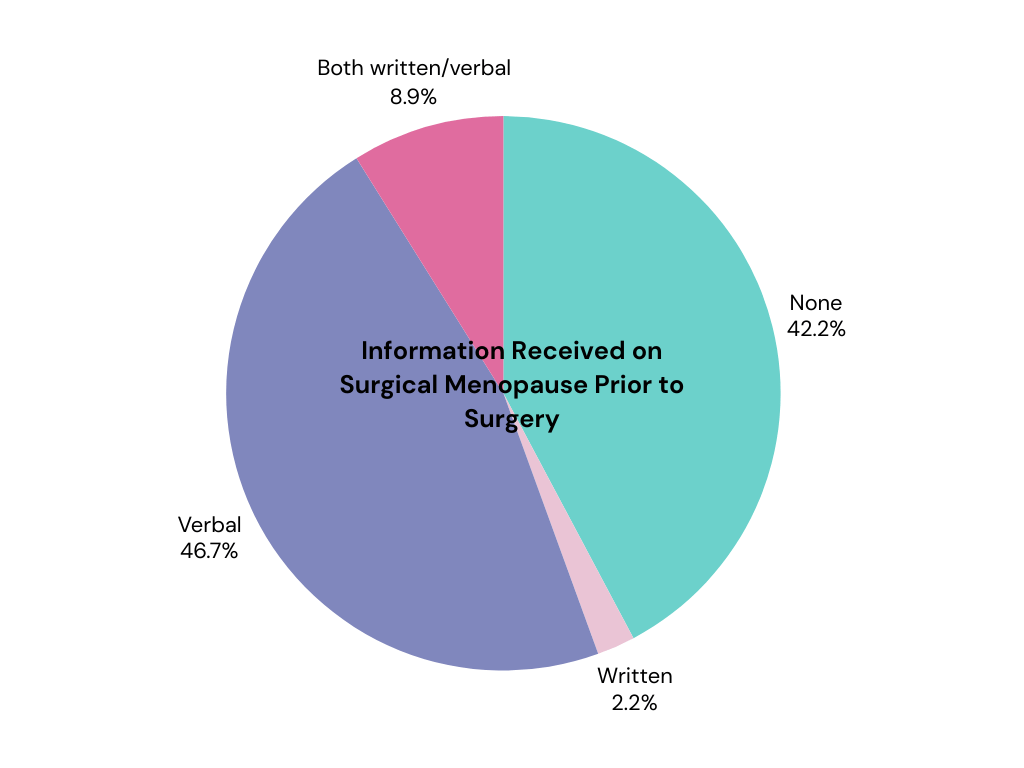
Survey data highlights several areas where self-advocacy is particularly important. For instance, 42% of respondents reported that the information they received about surgical menopause was absent.
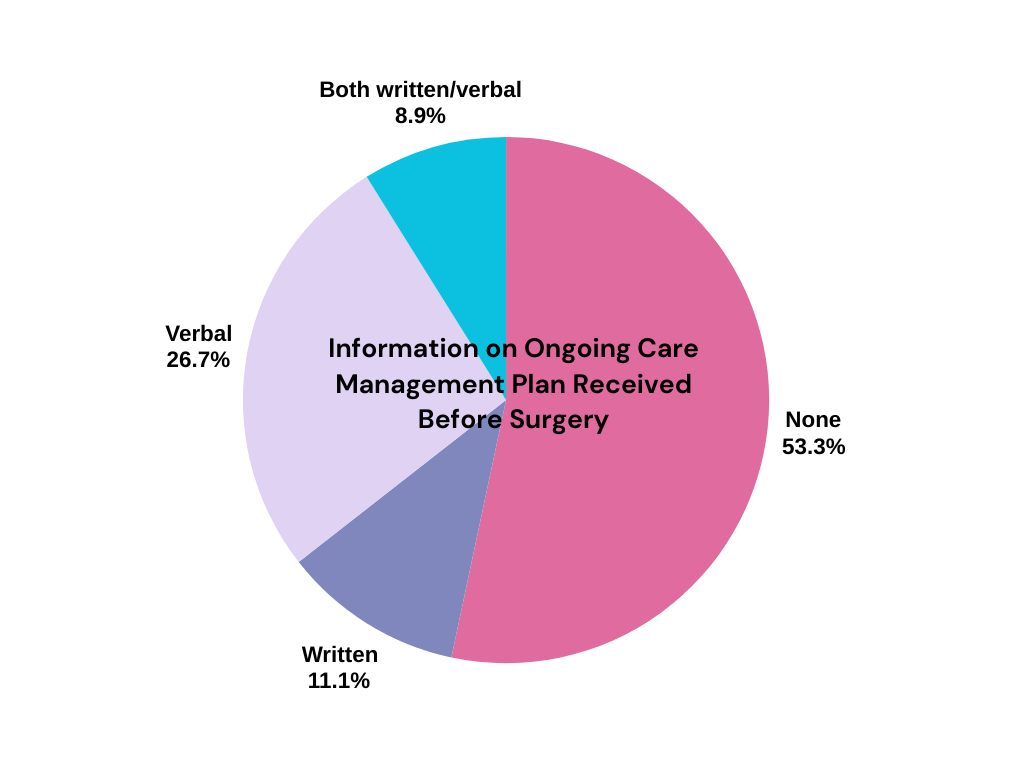
A further 53% of respondents received no information on ongoing care management, emphasising the need for women to actively seek out and demand the information and support they require.
The vast majority of respondents were not offered counselling (85%).
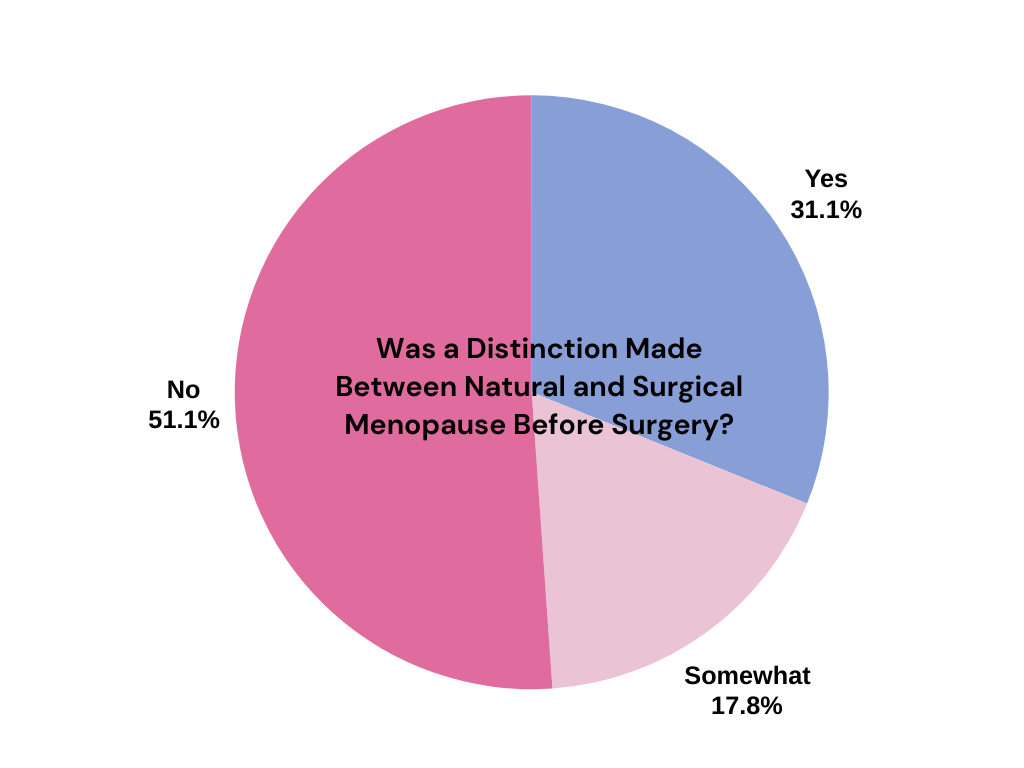
The distinction between natural and surgical menopause was not clearly communicated to 51% of respondents, revealing a significant gap in the pre-surgery education provided by healthcare professionals. This lack of clarity and support reinforces the necessity for women to advocate for thorough, clear, and personalised information regarding their treatment options and expected outcomes.
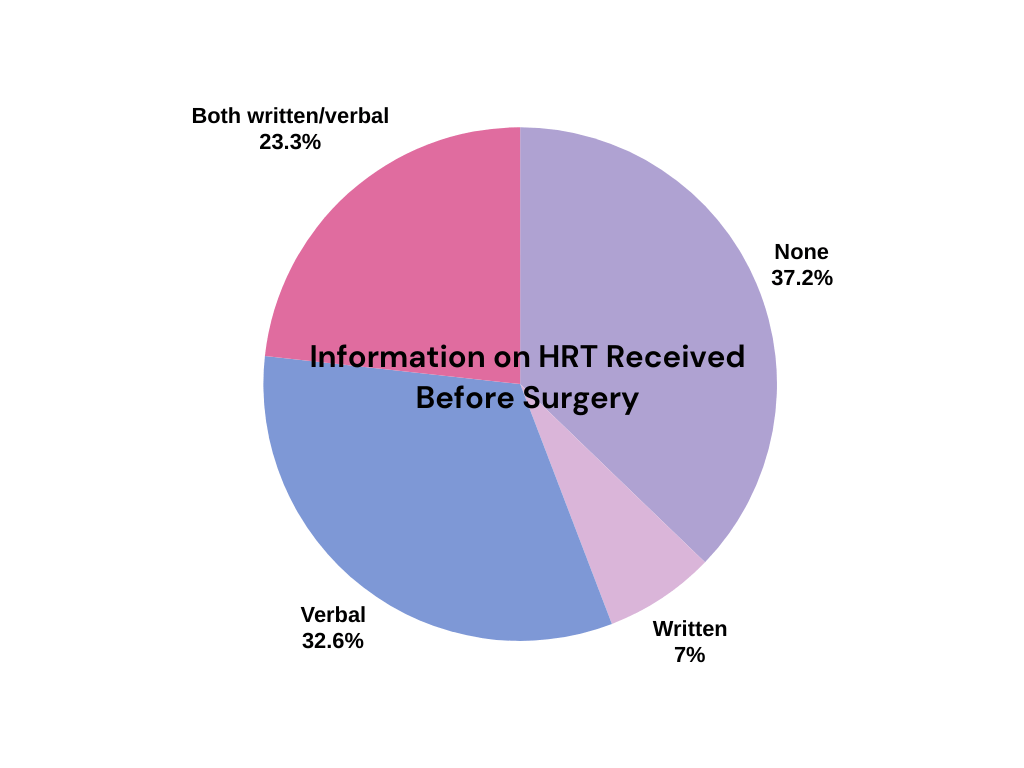
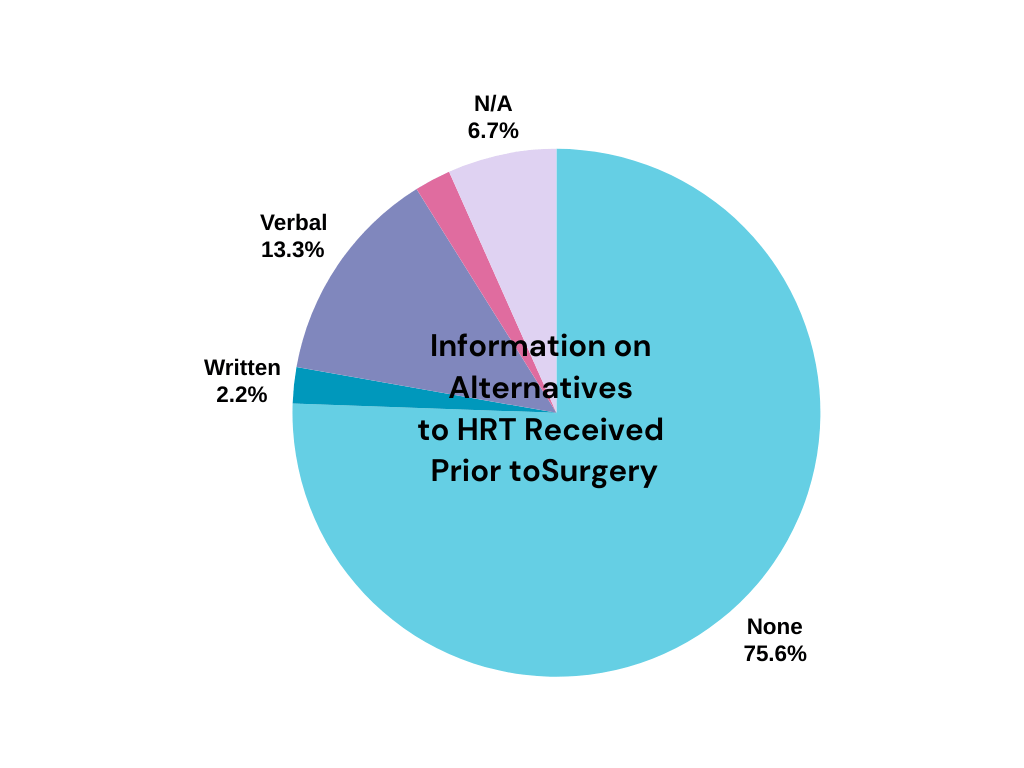
Hormone replacement therapy (HRT) and alternative treatments also present a complex landscape that requires vigilant self-advocacy. The survey found that while 62% of respondents had tried HRT, 37% reported receiving no information about their HRT options, and 76% were not adequately informed about alternatives to HRT. This gap in knowledge means that women must actively seek detailed information about their treatment options to make informed decisions about their health.
Post-Surgery Challenges and Dissatisfaction with Care
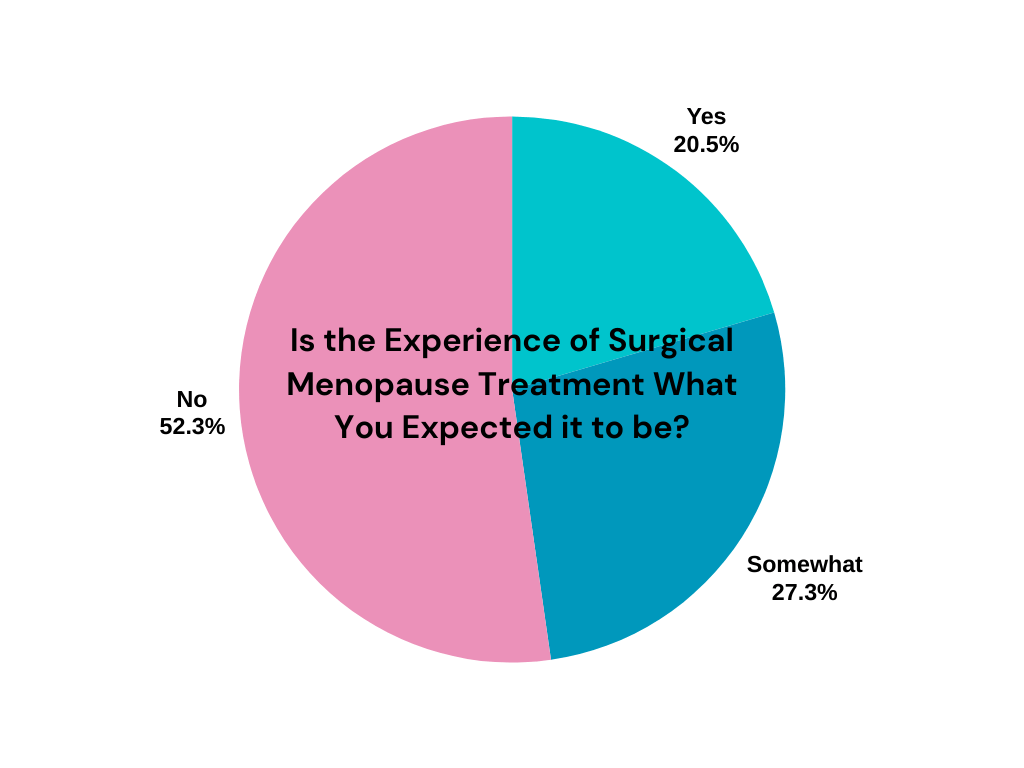
The post-surgery phase presents additional challenges, with many women experiencing moderate to severe symptoms such as brain fog, fatigue, and sleep disturbances. Despite these challenges, 56% of respondents expressed dissatisfaction with ongoing care, highlighting the importance of self-advocacy in managing symptoms and ensuring that healthcare providers address their concerns effectively.
The respondents turned to online resources to get support.

Echoing these results, Dr. Linda Dear’s nationwide survey conducted in 2022 included 4,288 individuals, of whom 3% (123 respondents) identified as being in surgical menopause. The survey revealed that 18% of these respondents found it difficult to be prescribed HRT, further underscoring the need for proactive self-advocacy. Additionally, only 3% of respondents felt well prepared prior to their surgery and 51% reported that there were no discussions about HRT before their surgery.
Gender Gap in Medical Research
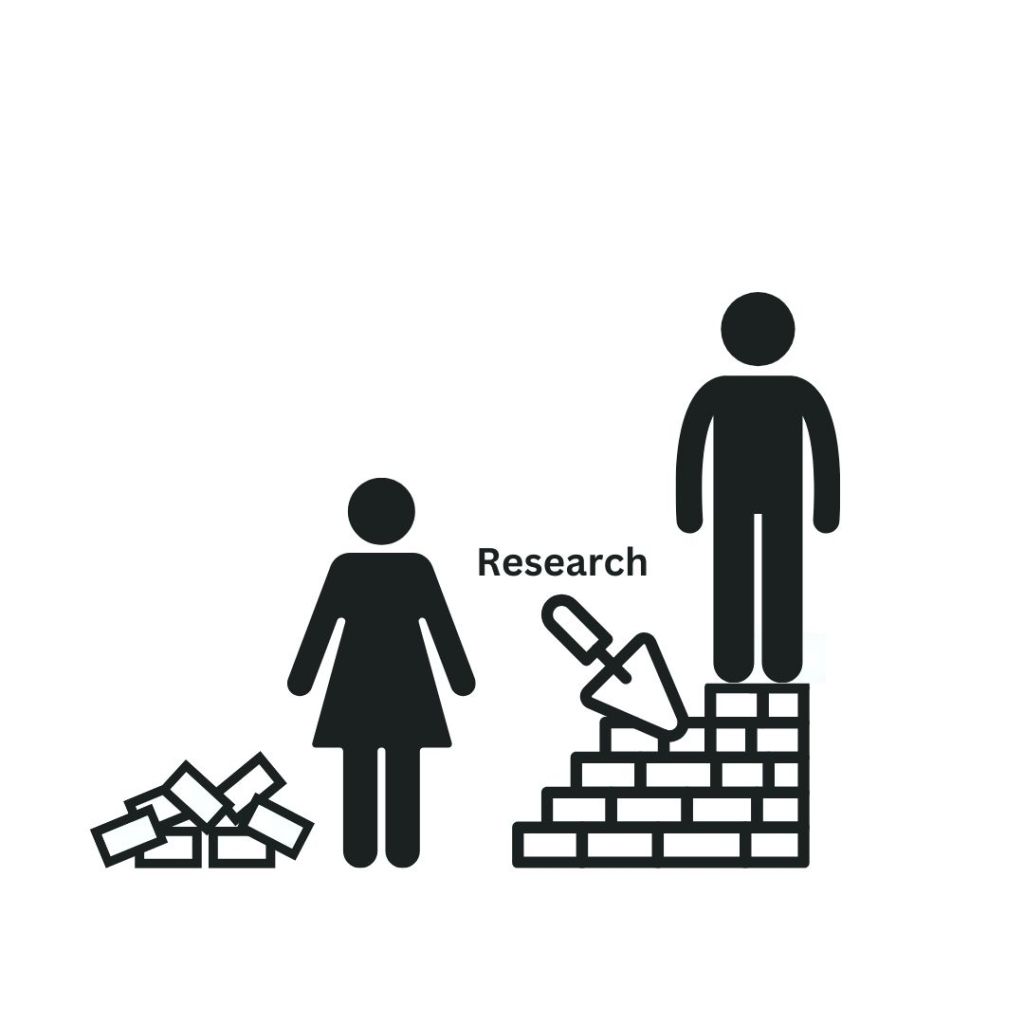
To understand why self-advocacy is so crucial, we must first recognise the longstanding gender bias in medical research. Until 1993, women were not routinely included in clinical studies in the United States, leading to medical knowledge and treatments being based predominantly on research conducted on men. This historic exclusion has resulted in several issues:
- Underdiagnosis and Undertreatment: Women’s health issues have often been overlooked or inadequately treated.
- Lack of Comprehensive Research: There has been insufficient research into conditions that primarily affect women.
- Differences in Disease Presentation: Diseases can present differently in women, which can delay diagnosis.
- Variable Drug Impact: Some drugs affect women differently than men, complicating treatment efficacy and safety.
For instance, heart disease – the leading cause of death for women – can manifest with different symptoms in women compared to men. Men typically experience severe chest pain, while women may have more subtle signs such as fatigue, shortness of breath, or pain in the neck or jaw, leading to delayed diagnoses and treatment.
The New Zealand Context

In New Zealand, the inclusion of women in clinical trials has generally followed international trends, including changes from the United States. However, detailed documentation on when New Zealand formally adopted these practices is limited. Before the 1990s, women were underrepresented in clinical trials here as well, due to concerns about reproductive health and hormonal variability, resulting in a lack of data on how treatments affected women.
Following the U.S. National Institutes of Health (NIH) Revitalization Act of 1993, which mandated the inclusion of women in clinical research, New Zealand began to gradually increase female representation in studies. By the late 1990s and early 2000s, efforts to include women in clinical research intensified, aligning with international standards.
Today, New Zealand’s ethical guidelines, overseen by the Health Disability Ethics Committees (HDECs), emphasise the importance of including women in research to account for sex-specific differences in health outcomes. Despite these advancements, the legacy of exclusion still affects medical practice, underscoring the need for women to advocate for their own health and ensure their concerns are taken seriously.
Unique Challenges of Surgical Menopause
Surgical menopause presents its own set of challenges. Unlike natural menopause, which occurs gradually, surgical menopause is sudden and can be more severe. The abrupt loss of ovarian hormones can lead to increased risks of:
- Osteoporosis
- Cardiovascular disease
- Cognitive decline
- Sexual dysfunction
- Mental health issues
Yet, despite these serious health implications, many women find their concerns dismissed or minimised by healthcare providers who may not fully understand the complexities of surgical menopause.
Strategies for Effective Self-Advocacy
Given these challenges, self-advocacy becomes a powerful tool for protecting one’s long-term health. Here are some strategies for effective self-advocacy:
- Educate yourself: Learn about surgical menopause, its effects, and potential treatments. Knowledge is power.
- Keep detailed records: Document your symptoms, treatments, and their effectiveness.
- Ask questions: Don’t hesitate to ask your healthcare providers for explanations, alternatives, or second opinions.
- Seek specialists: Look for healthcare providers who specialise in menopause or have experience with surgical menopause patients.
- Involve a support person: Bring someone you trust to your appointments for added perspective and emotional support. Let them know what you hope to achieve in the meeting.
- Join support groups: Connect with other women experiencing surgical menopause to share experiences and resources. You can join our private NZ support group here.
- Be persistent: If you feel your concerns aren’t being addressed, keep pushing for answers and appropriate care.
Seeking Support and Addressing Concerns
If you believe the care you received was inadequate, you can contact the Nationwide Health & Disability Advocacy Service. They are available to answer your questions and support you in making a complaint about a service provider if needed.
Additionally, if the treatment you received resulted in harm, you may be eligible for ACC cover. This type of injury is known as a treatment injury, which occurs when someone is harmed while seeking or receiving treatment from a registered health professional. Specific criteria apply, and you can find more information about it here.
Global Menopause Movement

In recent years, there has been a growing global movement to bring menopause into the spotlight. Women around the world are fighting to be heard, empowering each other, and demanding changes in how women’s health is addressed. This momentum is reshaping the conversation around menopause, including surgical menopause, in several key ways:
- Breaking the silence: Women are speaking openly about their experiences with menopause, reducing stigma and isolation.
- Workplace advocacy: There’s a push for menopause-friendly workplace policies, recognising the impact of menopausal symptoms on women’s professional lives.
- Education initiatives: Organisations are working to educate both the public and healthcare providers about menopause and its effects.
- Research advocacy: Women are demanding more research into menopause, including surgical menopause, to fill the gaps in our understanding.
- Policy changes: In some countries, activists are pushing for policy changes to improve healthcare and support for menopausal women.
- Celebrity voices: High-profile women are using their platforms to raise awareness about menopause, bringing the issue into mainstream discourse.
- Online communities: Social media and online forums are providing spaces for women to share experiences, advice, and support.
This global movement is empowering women to take control of their menopausal health. For those of us in surgical menopause, it offers hope for better understanding, improved treatments, and more comprehensive care in the future.
Joining the Movement

As a woman in surgical menopause, you can be part of this global movement:
- Share your story: By speaking about your experiences, you can help educate others and reduce stigma.
- Support advocacy groups: Join or support organisations working to improve menopause care and research.
- Participate in research: If possible, participate in studies about surgical menopause to help advance our understanding.
- Educate others: Share reliable information about surgical menopause with friends, whānau, and colleagues.
- Advocate for policy changes: Contact your representatives to push for better healthcare policies for menopausal women.
The growing global menopause movement provides a powerful backdrop for individual self-advocacy. While the medical community is making strides in addressing gender disparities in healthcare, change is slow. For women in surgical menopause, self-advocacy is not just about getting better care – it’s about safeguarding their long-term health and quality of life and contributing to a larger movement for change.
By being informed, persistent, and proactive, women can ensure they receive the comprehensive care they need and deserve. Moreover, by joining their voices with the global movement, they can help drive systemic changes that will benefit not only themselves but future generations of women.
Remember, you are the expert on your own body and experiences. Your voice matters, and speaking up can make a crucial difference in your healthcare journey and in the broader fight for women’s health equity.
References
National Institutes of Health, NIH Inclusion Outreach Toolkit: How to Engage, Recruit, and Retain Women in Clinical Research, [Aug 2024].
Association of American Medical Colleges, Why we Know so Little About Women’s Health, AAMCNews, [26 Mar 2024].
British Menopause Society (BMS) (UK), Surgical Menopause: A Toolkit for Healthcare Professionals, Sept 2024.
Australasian Menopause Society, Surgical Menopause, Dec 2024.
Nationwide Health & Disability Advocacy Service, Find an Advocate, [Aug 2024].
Healthify, Treatment Injury, [19 Oct 2023].
[Updated: 28 July 2025]
 Surgical Menopause New Zealand Trust