
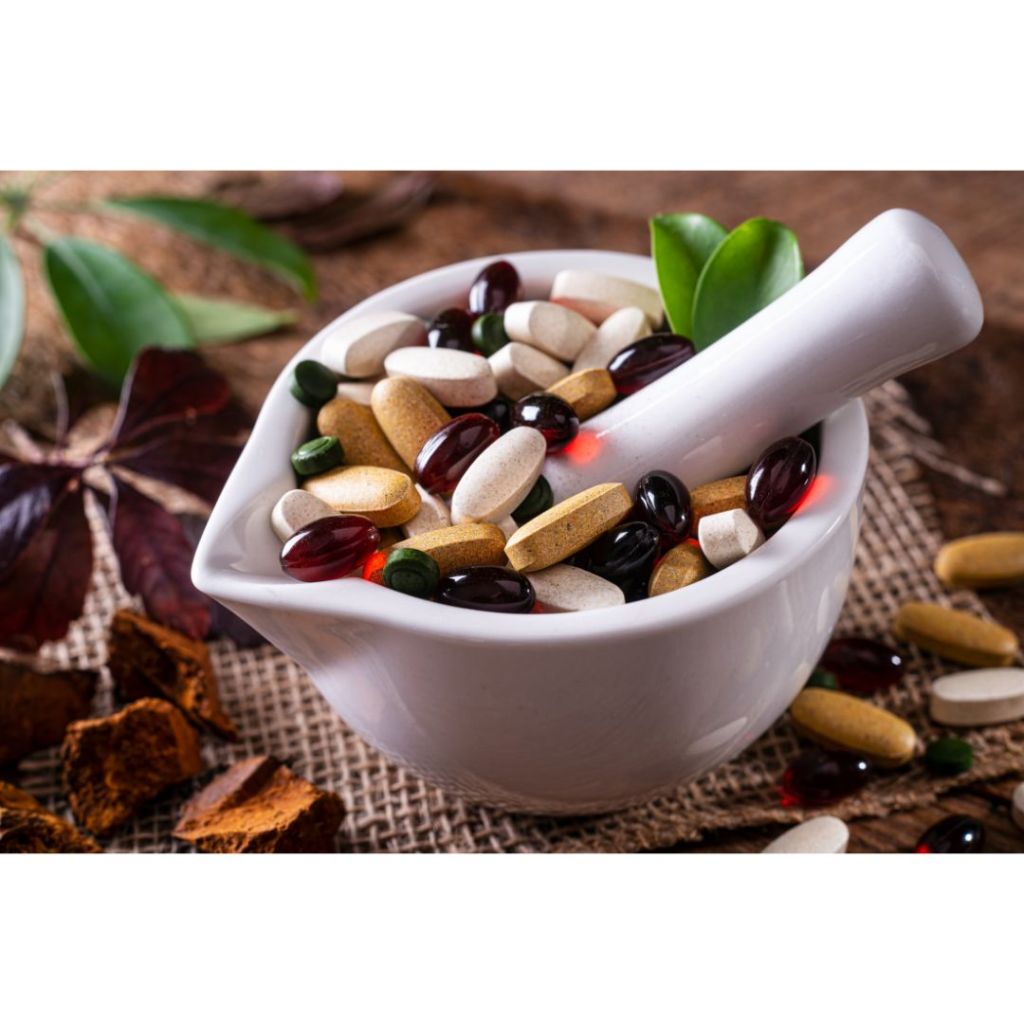
Herbal supplements are often explored as a complementary or alternative approach to managing symptoms of menopause.
It’s essential to approach herbal supplements with caution, follow the specific recommendations on the product label and consult with a healthcare provider before using them, especially if taking other medications or having underlying health conditions. Some herbal supplements may interact with medications or have adverse effects, and their safety and efficacy may vary depending on individual factors.
Additionally, herbal supplements are not regulated in the same way as prescription medications, so quality and potency can vary between products.
| Regulatory Update: The recently passed Therapeutic Products Bill represents a major shift in the regulation of medicines, medical devices, and natural health products in New Zealand, marking the most significant update in nearly 40 years. This Bill introduces comprehensive, risk-based regulations for natural health products, aiming to enhance safety and quality. Key points to note: The Bill will bring New Zealand’s regulations in line with international standards and improve oversight of emerging health technologies. It includes stricter controls on advertisements for therapeutic products and introduces an independent regulator. Most provisions will come into effect in mid to late 2026, with further regulations and rules to follow. This new framework will ensure better protection for consumers and more reliable information about natural health products. |
Black Cohosh
Black cohosh is a herbal supplement commonly used to relieve menopausal symptoms, particularly hot flushes and night sweats. It is derived from the roots of the North American plant Cimicifuga racemosa.
How it works: The exact mechanism by which black cohosh alleviates menopausal symptoms is not fully understood. It is believed to have estrogen-like effects, though it does not contain estrogen. It may also work by modulating serotonin receptors in the brain, which can influence mood and sleep patterns.
Usage and Dosage: Black cohosh is available in various forms, including tablets, capsules, and liquid extracts. The typical dosage is 40 mg per day. Black cohosh is generally considered safe for short-term use (up to six months). There are some concerns about its long-term safety, and it is advisable to consult with a healthcare provider before starting black cohosh, especially if taking other medications or having underlying health conditions.
Side effects: Common side effects can include stomach upset, headache, rash, and a feeling of heaviness. It should be used with caution in individuals with liver disorders.
Effectiveness: Research on the effectiveness of black cohosh has shown mixed results. Some studies report significant benefits in reducing menopausal symptoms, while others find little to no effect. Individual responses to the supplement can vary. At this time, the Menopause Society states that there is insufficient evidence to support the use of black cohosh for VMS.
Chaste Tree Berry or Chasteberry
Chaste tree berry or chasteberry, also known as vitex or Vitex agnus-castus, is a herbal supplement used to alleviate menopausal symptoms, particularly mood swings, breast tenderness, and irregular periods.
How it works: Chaste tree berry is believed to influence the pituitary gland, which regulates hormone production. It may help balance levels of hormones such as estrogen and progesterone, though its exact mechanism of action is not fully understood.
Usage and Dosage: Chaste tree berry is available in various forms, including capsules, tablets, tinctures, and teas. The typical dosage ranges from 200 to 500 mg per day. It should be used with caution by individuals with hormone-sensitive conditions, such as breast cancer or endometriosis. It should be used with caution in individuals with liver disorders. There may be interactions with medications that affect dopamine or hormonal levels, so it is advisable to consult with a healthcare provider before starting chaste tree berry, especially if taking other medications.
Side effects: Common side effects can include stomach upset, headache, dizziness, weight gain, acne, and skin rash.
Effectiveness: Research on the effectiveness of chaste tree berry for menopausal symptoms has shown mixed results. Some studies report significant benefits, particularly for symptoms such as mood swings and breast tenderness, while others find little to no effect. The variability in results and testing conditions, along with the limited number of adverse events reported, suggests that there is insufficient evidence to support chasteberry as an effective treatment for VMS, which is the position of the Menopause Society.
Soy Isoflavones (Phytoestrogens)
Soy isoflavones are a popular dietary supplement. The compounds known as isoflavones are phytoestrogens that can mimic the effects of estrogen in the body.
How it works: Isoflavones in soy can bind to estrogen receptors, providing a mild estrogen-like effect. This can help balance hormone levels and alleviate symptoms caused by decreased estrogen production during menopause.
Usage and Dosage: Soy is available in various forms, including soy foods (such as tofu, soy milk, and edamame), supplements, and extracts. The typical dosage of soy isoflavones ranges from 40 to 80 mg per day. Soy is generally considered safe for most people when consumed in typical dietary amounts. There are concerns about the long-term use of high doses of soy isoflavones, especially in individuals with hormone-sensitive conditions, such as breast cancer.
Side effects: Common side effects can include nausea, constipation, and bloating.
Effectiveness: Research on the effectiveness of soy isoflavones for menopausal symptoms has shown mixed results. They are effective for mild-moderate hot flushes and may have a positive effect on bone mineral density, reducing risk of osteoporosis. However, they are not effective against night sweats, insomnia or depression. Individual responses to soy can vary, and its effectiveness may depend on factors such as the individual’s ability to metabolise isoflavones (only 30 to 50% of Western women report results). The Menopause Society does not recommend soy isoflavones for the treatment of VMS.
Red Clover (Phytoestrogens)
Red clover (Trifolium pratense) is a flowering plant that grows 15-40cm high. It contains phytoestrogens which may mimic the properties of estrogen in the body. Some studies have shown reductions in hot flushes, however other studies have shown no effect.
How it works: Red clover Isoflavones are phytoestrogens, which are plant compounds that mimic the effects of estrogen in the body. They bind to estrogen receptors and can exert a mild estrogenic effect, which may help alleviate certain menopausal symptoms such as night sweats and potentially hot flushes, by compensating for the body’s declining estrogen levels.
Usage and Dosage: The typical dosage for red clover Isoflavones is 80 mg per day. This dosage has been commonly used in clinical studies that investigate the supplement’s effects on menopausal symptoms. It is recommended to take the supplement consistently, with most research examining its effects over a period of up to three years.
Side effects: Common side effects can include headache, nausea, and rash.
Effectiveness: The effectiveness of red clover Isoflavones varies from person to person. While they are not consistently effective for reducing hot flushes, some women may experience relief from night sweats. The Menopause Society does not mention red clover.
Dong Quai
Dong Quai, also known as Angelica sinensis, is a herbal supplement traditionally used in Chinese medicine to treat various menopausal symptoms, particularly hot flushes.
How it works: The exact mechanism by which dong quai alleviates menopausal symptoms is not fully understood. It is believed to have phytoestrogenic properties, meaning it can mimic the effects of estrogen in the body. Additionally, dong quai may have anti-inflammatory and antispasmodic effects.
Usage and Dosage: Dong quai is available in various forms, including capsules, tablets, powders, and teas. The typical dosage is 150 mg per day. It should be used with caution in individuals with hormone-sensitive conditions, such as breast cancer, as well as those with bleeding disorders or who are taking blood-thinning medications.
Side effects: Common side effects can include increased sensitivity to sunlight, rash, bloating and high blood pressure.
Effectiveness: Dong quai does not seem to alleviate vasomotor symptoms (VMS), and there are several safety concerns, including potential risks of photosensitivity, anticoagulation, and carcinogenicity. The Menopause Society does not recommend the use of dong quai.
Evening Primrose Oil (EPO)
Evening primrose oil (EPO) is derived from the seeds of the evening primrose plant and is a rich source of gamma-linolenic acid (GLA), an omega-6 fatty acid. It is often recommended for managing menopausal symptoms, particularly hot flushes and breast tenderness.
How it works: Evening primrose oil is believed to exert its effects primarily through its high GLA content, which is thought to help regulate hormonal balance and reduce inflammation. GLA is involved in the production of prostaglandins, hormone-like substances that play a role in various bodily functions, including the regulation of menstrual cycles and the alleviation of menopausal symptoms. However, the exact mechanisms through which evening primrose oil impacts menopausal symptoms are not fully understood.
Usage and Dosage: The recommended dosage of evening primrose oil typically ranges from 500 to 3000 mg per day, depending on the severity of symptoms and individual response. It is available in softgel capsules and liquid forms. It is advisable to start with a lower dose and gradually increase it as needed.
Side effects: Generally well-tolerated, the most common side effects are temporary gastrointestinal symptoms such as abdominal pain, fullness, or nausea.
Effectiveness: The effectiveness of evening primrose oil for managing menopausal symptoms, particularly hot flushes, is mixed. It may help reduce breast tenderness when combined with vitamin E. There is a single trial of evening primrose oil for menopause symptoms in which 56 women were randomised to evening primrose oil 500 mg per day or placebo for 6 months. Evening primrose oil did not show benefit over placebo, with VMS declining by 1.0 per day with evening primrose oil and by 2.6 per day with placebo. Therefore, the Menopause Society does not recommend evening primrose oil for VMS symptoms.
St-John’s Wort
St. John’s wort (Hypericum perforatum) is a popular herbal remedy commonly used to treat various mental health conditions, including anxiety, irritability, insomnia, and depression. Its efficacy is attributed to the active compounds it contains, such as hypericin and hyperforin.
How it works: St. John’s wort is believed to work by influencing neurotransmitters in the brain, particularly serotonin, dopamine, and norepinephrine. These neurotransmitters play crucial roles in regulating mood and emotional well-being. By enhancing the levels of these chemicals, St. John’s wort may help alleviate symptoms of anxiety and depression. However, the precise mechanisms of action and the full scope of its effects are still being researched.
Usage and Dosage: For optimal results, a dosage of 900 mg per day of St. John’s wort is commonly recommended, typically divided into three doses of 300 mg each. This dosage is generally maintained for a period of up to 12 weeks, although individual responses may vary. St. John’s wort is known to interact with a wide range of medications, including blood thinners, heart rhythm medications, anticonvulsants, antidepressants, immune-suppressing drugs, HIV medications, methadone, oral contraceptives, and some anticancer drugs. These interactions can diminish the effectiveness of prescribed treatments or increase the risk of adverse effects.
Side effects: May cause increased sensitivity to sunlight, especially when taken in large doses. Other side effects can include insomnia, anxiety, dry mouth, dizziness, gastrointestinal symptoms, fatigue, headache, or sexual dysfunction.
Effectiveness: Numerous studies support the effectiveness of St. John’s wort for treating mild to moderate depression, and it is often considered as an alternative to conventional antidepressants. However, its effectiveness for anxiety and insomnia is less well-documented, and results may vary significantly among individuals. The Menopause Society does not mention St-John’s wort.
Ginseng
Ginseng, an adaptogenic herb, is renowned for its ability to help the body resist external and internal stressors while supporting both physical and mental health. Traditionally used in herbal medicine, ginseng is believed to enhance concentration, improve sexual function, and promote arousal.
How it works: Ginseng contains active compounds called ginsenosides, which are thought to influence various biological processes. These compounds may help regulate the body’s stress response, enhance energy levels, and promote overall vitality. Additionally, ginseng has been associated with improved cognitive function and mood stabilisation, making it a popular choice for those seeking to manage stress and enhance mental clarity.
Usage and Dosage: For effective results, ginseng is typically taken at a dosage of 400 mg per day. It is advisable to limit the duration of use to a maximum of six months to prevent potential side effects and to allow for a break before resuming treatment. Due to the potential for insomnia, it is recommended to take ginseng early in the day to minimise sleep disturbances. Ginseng may interfere with some medications like blood-thinning medications, antipsychotic medications, and diabetes medications.
Side effects: Ginseng may cause side effects such as insomnia (when taken later in the day), breast pain, increased heart rate, fluctuations in blood pressure, headaches, and digestive issues.
Effectiveness: Studies found no significant reductions in vasomotor symptoms (VMS) compared to placebo. Thus, ginseng does not appear to be effective for alleviating VMS and is not recommended by the Menopause Society.
Maca Root
Maca root (Lepidium meyenii) is a Peruvian adaptogenic herb often touted for its potential to enhance energy, stamina, and overall vitality. Traditionally used to improve sexual function and fertility, maca is also thought to help with mood stabilisation and hormone balance during menopause. Although some studies suggest maca may alleviate certain menopause symptoms, results vary, and more research is needed.
How it works: Maca root is believed to work by supporting hormonal balance and enhancing energy levels. It contains various bioactive compounds, including amino acids, vitamins, and minerals, which may contribute to its adaptogenic effects. By promoting hormonal regulation and reducing stress, maca may help ease symptoms associated with menopause.
Usage and Dosage: Maca root is generally taken in powdered form, with recommended dosages ranging from 1,500 to 3,000 mg per day. It can be added to smoothies, oatmeal, or other foods. It’s advisable to start with a lower dosage and gradually increase it to assess individual tolerance. Those with hormone-sensitive conditions or cancers should avoid it.
Side effects: May cause moodiness, cramping, stomach distress, and insomnia.
Effectiveness: While maca extracts exhibit estrogenic activity in laboratory studies, this effect has not been confirmed in human trials. Some studies have reported improvements in menopausal symptoms, such as hot flushes and mood swings, based on assessments like the Greene Climacteric Scale and KI scores. However, due to variability in study quality, design, and sample sizes, the evidence remains inconclusive and does not strongly support maca as an effective treatment for menopause symptoms. Hence, the Menopause Society does not recommend maca for treating vasomotor symptoms (VMS).
Kava
Kava, derived from the root of the kava plant (Piper methysticum), is known for its calming effects and is often used to help manage anxiety. While some individuals report benefits from kava, particularly in reducing anxiety levels, it has not been shown to be effective in decreasing hot flushes associated with menopause.
How it works: Kava contains active compounds called kavalactones, which are believed to interact with neurotransmitters in the brain, promoting relaxation and reducing feelings of stress and anxiety. By enhancing GABA (gamma-aminobutyric acid) activity, kava may help to calm the nervous system, making it a potential option for those seeking relief from anxiety during menopause.
Usage and Dosage: For anxiety relief, kava is typically taken at a dosage of 50 to 250 mg per day. It is important to follow the recommended dosage guidelines, as excessive intake may increase the risk of side effects. Kava is commonly available in various forms, including capsules, powders, and teas. Kava is possibly safe when taken for up to 6 months. Potential risk of liver damage has been associated with kava use, leading to concerns about its safety.
Side effects: Common side effects include digestive upset, headaches, fatigue, and dizziness.
Effectiveness: While kava may provide some degree of anxiety reduction for certain individuals, its effectiveness can vary. There is limited evidence regarding its impact on menopausal symptoms such as hot flushes, and further research is needed to clarify its overall benefits. The Menopause Society does not mention kava.
Valerian Root
Valerian root is a popular herbal supplement commonly used to address insomnia and improve sleep quality. It is believed to help individuals fall asleep more easily and stay asleep longer, potentially reducing nighttime awakenings.
How it works: Valerian root contains compounds that may enhance the availability of gamma-aminobutyric acid (GABA), a neurotransmitter that promotes relaxation and reduces nerve activity. By increasing GABA levels, valerian root may help calm the nervous system, leading to improved sleep onset and maintenance.
Usage and Dosage: For optimal results, valerian root is typically taken in liquid form, with a recommended dosage of 2-5 droppers full (approximately 2-4 ml) before bedtime. It is important to note that valerian root should be used for a limited duration, with a maximum recommended usage of up to 4 weeks.
Side effects: May cause headaches, stomach discomfort, brain fog, restlessness, heart issues, and even insomnia in some individuals. A few may feel drowsy in the morning after taking valerian, especially at higher doses, while others may experience dry mouth or vivid dreams.
Effectiveness: Research suggests that valerian root may help alleviate insomnia symptoms, promoting better sleep quality and reducing the time it takes to fall asleep. However, individual responses can vary, and some users may not experience significant benefits.
References
Mosconi, L. The Menopause Brain: The New Science for Women to Navigate Midlife and Optimise Brain Health for Later Years (Allen & Unwin, 2024).
Australasian Menopause Society, Non Hormonal Treatments for Menopausal Symptoms [Updated: Sept 2018].
The Menopause Society, formerly known as the North American Menopause Society (NAMS), Position Statement (2023) Non Hormone Therapy, Menopause: The Journal of The North American Menopause Society Vol. 30, No. 6, pp. 573-590.
British Menopause Society (BMS), Prescribable Alternatives to HRT, [Updated: July 2020].
Healthify, Menopausal Non-Hormone Therapy, [Updated: 8 Dec 2022].
New Zealand Government, New Era for Therapeutic Products Regulation, [Created: 19 July 2023].
[Updated: 18 July 2025]
 Surgical Menopause New Zealand Trust